
On this page
Tankless Water Heater Goes Cold: Separate waiting time from interrupted heating
Cold water already inside a pipe must travel out before newly heated water reaches the fixture. That initial delay differs from water turning cold during an uninterrupted shower. A short warm-cold-warm sequence can also occur after hot-water use stops and restarts. Describe the exact pattern instead of assuming all cold water means equipment failure.
Record which fixtures are affected and whether the issue appears only with several outlets running. A single troublesome shower may involve its mixing valve, while a whole-house pattern puts more attention on the heater and shared plumbing.
Why flow and temperature rise matter
Tankless equipment needs sufficient flow to recognize demand, and its heating capacity is finite. Small hot-side flow can prevent activation on some systems. Heavy simultaneous demand and colder incoming water can also affect delivered performance. Thresholds and output vary by model, so a generic flow figure should not replace its manual.
A technician can assess settings, flow conditions, supply, error history, and distribution. Do not increase temperature or change gas adjustments to force a result. The right answer may involve a fixture, control, maintenance issue, or system sizing rather than a new heater.

When scale or a fault may be involved
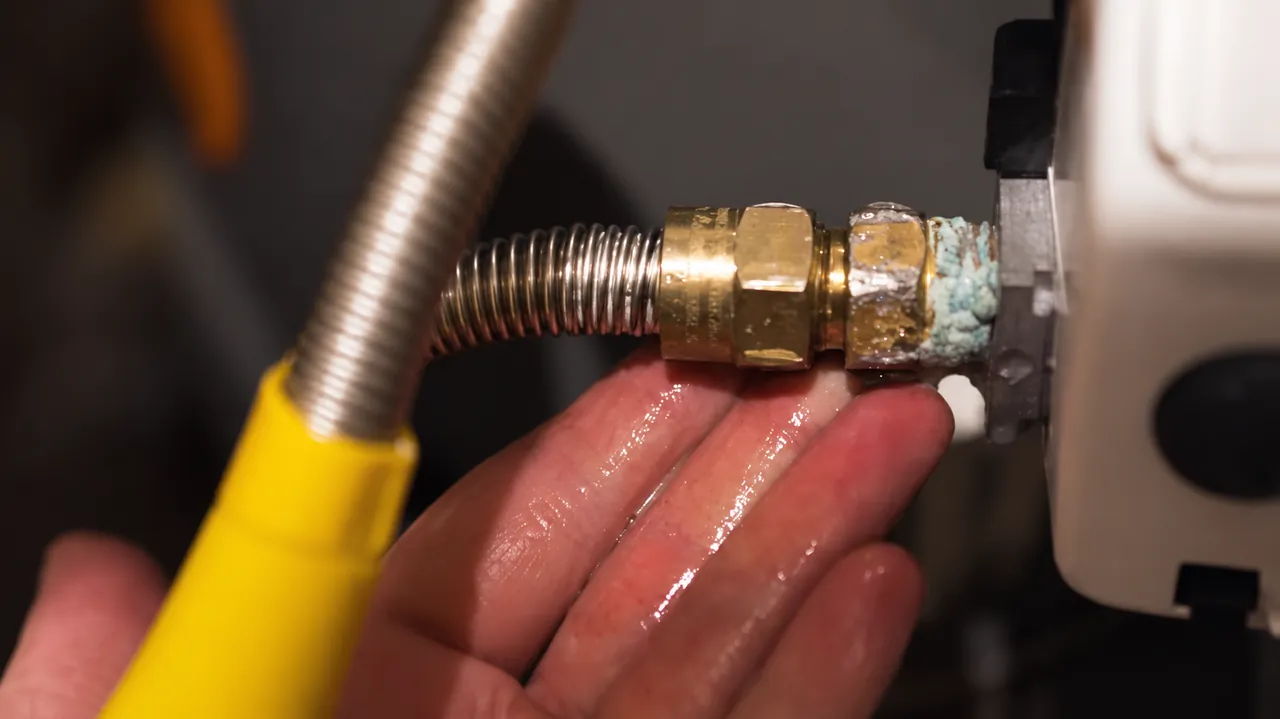
Deposits in the heat exchanger can contribute to performance problems, but cold water alone does not prove that descaling is needed. Filters, sensors, ignition, supply, and other conditions can also matter. Record an accessible error code without removing the cover.
Our tankless maintenance and descaling service uses the actual equipment requirements. Repeatedly resetting a fault can erase a useful symptom while leaving the cause unresolved; tell us what happened before and after any previous reset.
Avoid assuming descaling fixes every cold spell
A descaling recommendation should be connected to equipment requirements, service history, and findings. It is not a substitute for investigating an error code or a demand-related shutdown. Maintenance may improve a system with deposits while leaving an unrelated supply or fixture fault unchanged. Ask which evidence supports the proposed service.
If the issue began after a plumbing change, tell us what was installed and which outlets changed. Distribution modifications can alter flow and mixing conditions. A new appliance or simultaneous use pattern can also change demand. Evaluating the system as a whole helps separate maintenance needs from installation sizing or a local fixture problem.
A tankless problem should be described in time order
A brief cold interval after shutting a tap and reopening it differs from repeated shutdown during steady use. Note whether the display changes, an error appears, or only one fixture behaves differently. Do not keep the shower running to collect data if the temperature becomes unpredictable. A normal-use description is sufficient for the initial call.
For Tankless Water Heater Goes Cold, Tankless equipment can have other installation requirements beyond water flow. Electrical power, fuel supply where applicable, venting, and water-side conditions can affect operation. The correct diagnostic sequence depends on the particular system. No single internet list can establish the cause of every intermittent temperature complaint.
Ask whether the recommended work will address the recorded symptom and how operation will be checked afterward. If maintenance is required as well as a separate repair, have those scopes explained individually. A clear distinction helps you understand why one task is routine care and another responds to an active fault.
Output limits are separate from activation thresholds
The flow needed to start heating and the volume the appliance can heat to the required temperature are different limits. A heater may fail to activate at very low demand yet struggle to maintain temperature during very high simultaneous demand. Those symptoms should not receive the same automatic correction.
Ask whether the assessment includes the conditions under which the problem actually occurs. A brief test with one tap may not reproduce a complaint involving two showers, while a high-flow test may miss intermittent operation at a lightly opened basin tap. No hazardous owner testing is needed; an accurate account of ordinary use is enough.
| Observed situation | Useful investigation | Limitation |
|---|---|---|
| Delay before first warmth | Pipe travel time and any circulation system | A normal delay is not necessarily a heater fault. |
| Shutdown during low demand | Activation flow and fixture mixing | Thresholds are specific to the equipment. |
| Temperature loss at simultaneous use | Output, supply, and temperature rise | Tankless output is not unlimited. |
When technician diagnosis should precede descaling
Request diagnosis when there is a new error, repeated shutdown, abrupt change, or uncertain maintenance need. Deposits may be present, but maintenance should not become an assumption that prevents investigation of controls or supply. Water leaks and freeze-related concerns also need direct discussion before routine operation continues.
Ask which findings support descaling and which indicate another repair. If a system-sizing problem is identified, clarify whether the proposal changes equipment output, household use arrangements, or distribution. Each has different benefits and limitations, and none should be presented as a universal fix for every cold-water interval.
Information to have ready
Share the model, approximate installation date if known, service history, displayed code, affected fixtures, and whether the temperature changes with demand. Mention freezing exposure or recent water interruptions where relevant without attempting to dismantle valves or internal piping.
Call York Water Heater Solutions for tankless water heater help at 717-658-7854. We answer round-the-clock emergency inquiries and discuss the next step based on the symptoms. A capacity or conversion discussion belongs with our installation service.
| Information | Why it helps |
|---|---|
| Observed symptom | Defines what needs investigation rather than guessing a part. |
| Timing and affected fixtures | Separates isolated problems from system-wide changes. |
| Previous work or maintenance | Provides context for testing and suitable next steps. |
Frequently asked questions
Why does my tankless heater cool at low flow?
Some equipment requires a minimum hot-side flow to activate or remain heating. That threshold varies. A fixture mixing a very small hot-water flow may contribute, but filters, controls, supply, and other faults also need consideration before changing settings or replacing parts.
Does an error code mean descaling is required?
Not necessarily. Codes identify conditions according to the exact model documentation; they are not universal maintenance instructions. Record the code and timing, then have the system assessed. Repeated resets or an assumed flush can leave the underlying fault unresolved.
How do I contact York Water Heater Solutions?
Call 717-658-7854. The owner or team answers round-the-clock emergency service inquiries. Give your York-area address or ZIP code, the main symptom, and a callback number. If you suspect a gas leak or a carbon monoxide emergency, evacuate and contact emergency responders first.
What should I do when my tankless water heater goes cold?
Call (717) 658-7854 with the physical service address, equipment type and what changed. The team can discuss the appropriate next step, access and visit availability. If you smell gas or a carbon monoxide alarm sounds, leave the building and contact emergency services from a safe location first.
To discuss Tankless Water Heater Goes Cold, call (717) 658-7854. Describe the symptoms and service address so our team can explain the next step and current visit availability.