
On this page
Hot Water Runs Out Quickly: Compare the change with normal use
A tank can run out during simultaneous showers and appliance use even when it operates correctly. A sudden drop under the same routine is different: it can point to a heating, control, mixing, or internal distribution problem. Start by comparing similar days rather than one unusually busy morning.
Write down which fixtures were running, whether the first water was fully hot, and whether a long recovery period restored normal service. A clear timeline helps separate insufficient stored water from a heater that is no longer recovering as intended.
Why a partly working heater can look undersized
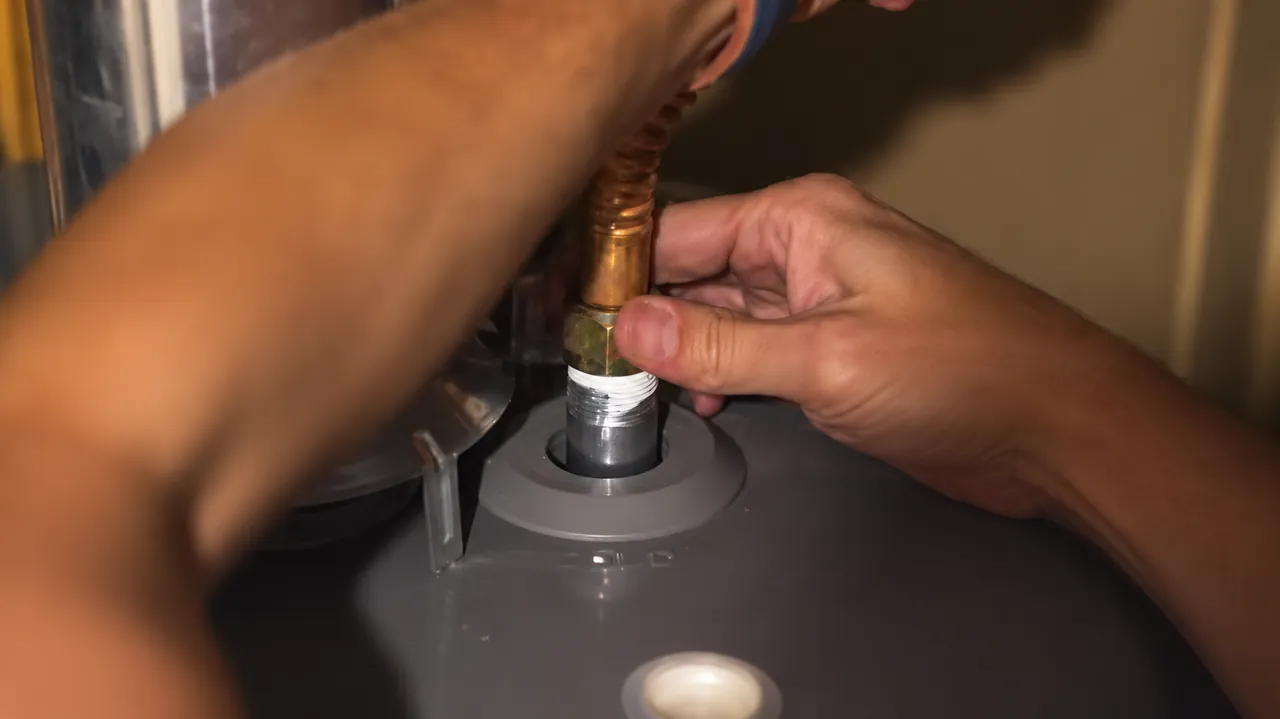
On some electric tanks, a failed element or control can leave only part of the stored water effectively heated. A damaged dip tube may interfere with how incoming cold water enters the tank. Mixing valves or plumbing cross-connections can also reduce delivered temperature even when the tank is hot.
Testing should come before a larger replacement. Heating element diagnosis and thermostat troubleshooting help identify equipment faults that extra storage alone would not solve.

Do not compensate by turning heat up blindly
Raising the setting can increase scald risk and may hide the original symptom. Temperature at the tap also depends on controls, distribution, and mixing equipment. If the water alternates between very hot and cold, describe that explicitly rather than calling it only a capacity problem.
Avoid opening electrical compartments or making internal adjustments. Safely observing normal use and accessible displays is enough preparation for a service call. If heat changed immediately after another plumbing project, include that detail.
A fixture issue can imitate depleted storage
If the bathroom shower cools quickly while another hot tap remains warm, mention that distinction. Shower mixing controls and other plumbing conditions can alter temperature at one outlet. Replacing the heater may leave that complaint unchanged. Conversely, several fixtures cooling at the same time provides a different pattern for the technician to investigate.
Do not perform a prolonged test that wastes water or risks scalding someone at another outlet. Normal observations are sufficient. Keep a rough note of shower duration, other simultaneous uses, and whether the next shower starts warm. That record supports a more useful discussion than assuming the tank needs to be larger.
Recovery and delivery are separate parts of performance
A heater may store an appropriate amount of hot water but recover too slowly because of a fault. Another system may recover normally while the first shower uses most of the available storage. A mixing condition can reduce usable temperature even with adequate heating. These differences determine whether maintenance, component repair, distribution work, or equipment selection deserves attention.
When reviewing capacity, describe actual patterns instead of counting occupants alone. A household with short staggered showers creates a different load from several simultaneous showers and a large bath. Discuss planned changes too. A replacement chosen only to match the old tank can repeat a longstanding demand mismatch.
For Hot Water Runs Out Quickly, Ask how the repair outcome will be assessed. If the complaint is that the second shower goes cold, a brief warm tap test may not explain the original pattern. The service professional can discuss a reasonable verification method and any remaining demand limits. Keep those limits distinct from a promise that no household can ever use the available hot water.
First-hour output differs from storage volume
A storage heater supplies heat from stored water and continued heating. Two tanks of similar volume can therefore provide different performance over a busy hour. When discussing replacement, ask how the proposed equipment meets actual peak demand instead of relying only on the number of gallons on the label.
Incoming cold-water temperature also affects the heat required to reach the intended delivery temperature. Seasonal changes can expose an existing margin in performance without proving the heater suddenly broke. That possibility belongs alongside component testing and household use, not as a reason to dismiss a sudden or severe change.
| Observed situation | Useful investigation | Limitation |
|---|---|---|
| Sudden decline under unchanged use | Test heating and controls | Do not assume the tank simply became too small. |
| Only one shower cools | Assess fixture mixing | The main tank may still be producing hot water. |
| Longstanding shortage during peak use | Review capacity and recovery | Bigger equipment still needs a suitable installation. |
When repeated shortages justify professional testing
Arrange an assessment if the heater no longer supports a routine that previously worked, takes unusually long to recover, or alternates between cold and unexpectedly hot water. Mention any hot-water leak or unexplained ongoing demand. Water escaping elsewhere can consume heat that would otherwise be available for the intended outlets.
A useful result identifies whether the system cannot heat properly or cannot meet the chosen demand. Those findings lead to different recommendations. Ask whether the proposed work restores original capability, improves capacity, or addresses distribution; understanding that distinction makes it easier to judge the expected benefit.
When a capacity review is useful
If the heater tests correctly and demand regularly exceeds its output, compare storage, recovery performance, simultaneous use, and the available utility infrastructure. A tankless conversion is not unlimited hot water under every condition; output still depends on demand and incoming-water temperature.
Call York Water Heater Solutions for water heater repair at 717-658-7854. We can discuss whether the symptoms point toward inspection, maintenance, or a review of replacement options. Emergency calls are answered round-the-clock.
| Information | Why it helps |
|---|---|
| Observed symptom | Defines what needs investigation rather than guessing a part. |
| Timing and affected fixtures | Separates isolated problems from system-wide changes. |
| Previous work or maintenance | Provides context for testing and suitable next steps. |
Frequently asked questions
Why is the first shower hot but the second cold?
The tank may have used much of its stored hot water, or a recovery problem may prevent adequate reheating. Compare current behavior with normal use and mention simultaneous appliances. Testing can distinguish demand from a component or control fault.
Would turning the thermostat higher fix the shortage?
It can increase scald risk and may conceal the original problem. Do not use temperature increases as a substitute for diagnosis. Ask for assessment of heating performance, delivered temperature, mixing equipment, and whether the system matches the household demand.
How do I contact York Water Heater Solutions?
Call 717-658-7854. The owner or team answers round-the-clock emergency service inquiries. Give your York-area address or ZIP code, the main symptom, and a callback number. If you suspect a gas leak or a carbon monoxide emergency, evacuate and contact emergency responders first.
Who should I call when hot water runs out quickly?
Call (717) 658-7854 with the physical service address, equipment type and what changed. The team can discuss the appropriate next step, access and visit availability. If you smell gas or a carbon monoxide alarm sounds, leave the building and contact emergency services from a safe location first.
Further information
For additional background, consult the resources below and the manual for your exact model. These resources do not replace an assessment of your installation.
To discuss Hot Water Runs Out Quickly, call (717) 658-7854. Describe the symptoms and service address so our team can explain the next step and current visit availability.