
On this page
Pilot Light Keeps Going Out: A repeated outage needs a cause
A pilot that repeatedly goes out may involve flame sensing, a pilot assembly problem, combustion air, venting, or the gas control system. These possibilities require different responses. Replacing a thermocouple without checking the operating conditions can miss the reason the flame is not being maintained.
First confirm that the equipment actually uses a standing pilot. Some heaters use electronic ignition and have no continuously burning pilot. An accessible model label or exterior display can help identify the system without taking anything apart.
What observations help the technician?
Explain whether the pilot goes out immediately after an attempt, later during heating, or after another event. Note accessible status codes and whether any other gas appliance has stopped operating. Do not deliberately create another outage to test a theory.
Our pilot and thermocouple repair service evaluates the applicable ignition and flame-safety components. A safe diagnosis also considers the surrounding installation instead of treating every outage as the same failed part.

Gas smells and alarms change the priority
If you smell gas, leave the building without using switches, flames, or appliances. Contact emergency services or the gas utility from outside. If a carbon monoxide alarm sounds, evacuate and seek emergency assistance. Do not remain beside the heater trying to photograph a code or make a repair appointment.
Do not bypass a flame sensor, wedge a control open, clean gas passages with improvised tools, or remove vent components. Repeatedly relighting an unexplained fault is not a substitute for inspection, even if the heater runs briefly afterward.
An indicator code must match the exact equipment
A flashing light is not a universal fault language. The meaning depends on the heater and control, so an online chart for another model can lead to the wrong conclusion. Record the visible sequence and equipment identification if accessible. The service professional should interpret those together with the operating symptoms and the correct documentation.
If the heater runs only after repeated intervention, tell us how often that has happened. Do not bypass the part that stops operation or assume the interruption is merely inconvenient. Safety devices are intended to prevent continued operation under particular conditions; diagnosis must establish why the device acted before the system is returned to ordinary use.
Do not overlook the surrounding installation
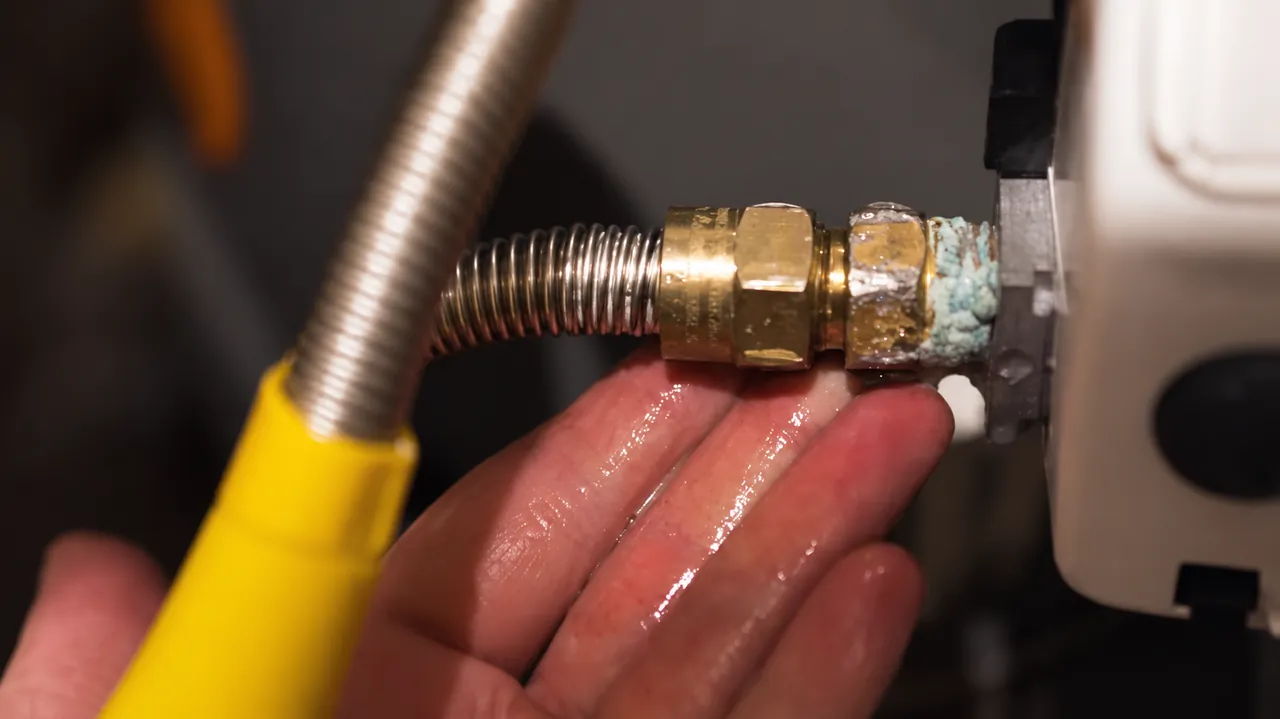
A flame needs suitable operating conditions, and a safety control is part of a larger system. A pilot outage should therefore be considered alongside the equipment documentation and installation. Changes around the utility space may matter, but do not open vents, change air openings, or remove nearby components to test a theory.
Tell us about recent remodeling, servicing, or an interruption in supply if you know it occurred. Do not assume the timing proves the cause. A technician still needs to assess the relevant system. Photos of the exterior installation can provide context when safely available, but they cannot replace testing or prove combustion safety.
For Pilot Light Keeps Going Out, Before the heater returns to regular use, ask which fault was found, which work was performed, and whether any installation concern remains unresolved. Keep a record if the pilot has failed multiple times. A repeated history can help the next investigation and should not be reduced to a new attempt to relight the same unexplained condition.
Standing pilot and electronic ignition are different systems
A heater with an electronic ignition sequence may display a flame-related error without having a standing pilot to relight. The applicable parts and tests depend on the design. Supplying the accessible model information helps avoid describing every ignition problem as a pilot outage.
Even among standing-pilot systems, a flame-sensing component is not necessarily the only device affecting operation. A control can respond to an abnormal condition elsewhere. The diagnosis should identify both the interrupted sequence and the condition behind it, rather than using a part name as a substitute for evidence.
| Observed situation | Useful investigation | Limitation |
|---|---|---|
| Pilot does not remain established | Pilot assembly, sensing, and controls | Do not bypass the safety system. |
| Pilot holds but heating fails | Investigate the main heating sequence | A pilot component may not be the failed part. |
| Electronic error, no standing pilot | Use model-specific diagnostics | Generic relighting advice may not apply. |
When recurring ignition faults require service
Contact a professional when an outage repeats, the heater refuses normal operation, or you have concerns about venting or air supply. An unexplained recurring failure should not become a routine relighting habit. Report previous repairs because a repeat after component replacement may indicate another unresolved condition.
Before returning to normal use, ask what was tested and what caused the shutdown. If an installation issue remains, understand whether the equipment can operate safely and what corrective work is required. The immediate return of a flame does not by itself answer those questions.
What to expect from a repair discussion
Ask which component was tested, whether venting and air supply raise concerns, and whether the control system can safely return to service. Repair availability depends on the equipment and fault; a phone description cannot establish which part is required.
For gas water heater repair in York, PA, call 717-658-7854 from a safe location. York Water Heater Solutions offers round-the-clock emergency service. Safety emergencies involving suspected gas or CO should go to emergency responders first.
| Information | Why it helps |
|---|---|
| Observed symptom | Defines what needs investigation rather than guessing a part. |
| Timing and affected fixtures | Separates isolated problems from system-wide changes. |
| Previous work or maintenance | Provides context for testing and suitable next steps. |
Frequently asked questions
Does every pilot outage mean a bad thermocouple?
No. Depending on the system, flame sensing is one possibility among several. Pilot components, controls, combustion air, venting, or supply conditions may require assessment. A part should be selected after the actual fault has been established.
Can I use a generic flashing-light chart?
Not reliably. Codes depend on the model and control. Record the accessible indication and model information, and have it interpreted with the correct documentation. Do not remove covers, bypass controls, or continue repeated relighting to test an online explanation.
How do I contact York Water Heater Solutions?
Call 717-658-7854. The owner or team answers round-the-clock emergency service inquiries. Give your York-area address or ZIP code, the main symptom, and a callback number. If you suspect a gas leak or a carbon monoxide emergency, evacuate and contact emergency responders first.
What should I do if the pilot light keeps going out?
Call (717) 658-7854 with the physical service address, equipment type and what changed. The team can discuss the appropriate next step, access and visit availability. If you smell gas or a carbon monoxide alarm sounds, leave the building and contact emergency services from a safe location first.
Further information
For additional background, consult the resources below and the manual for your exact model. These resources do not replace an assessment of your installation.
To discuss Pilot Light Keeps Going Out, call (717) 658-7854. Describe the symptoms and service address so our team can explain the next step and current visit availability.